
There is something about natural light that artificial lighting will never do. Spaces appear larger, savings on electricity bills are made, and individuals spending time in naturally lit structures always come out claiming that they feel better there. If your project needs maximum sunlight coming through without giving up insulation or structural strength, polycarbonate multiwall sheets are worth a serious look.
What are polycarbonate multiwall sheets?
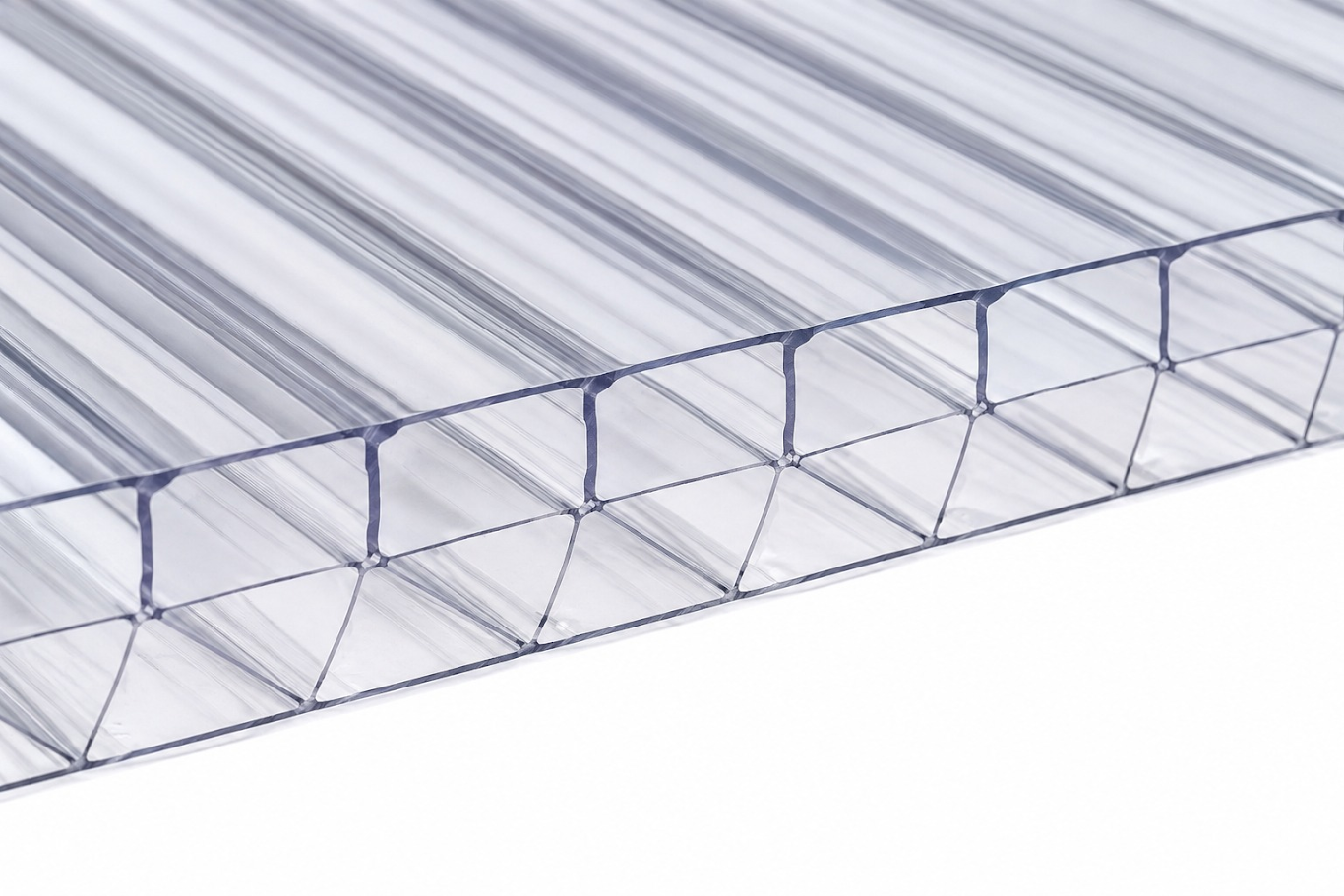
They’re thermoplastic panels with two or more layers held together by internal walls, which create hollow channels running the length of the sheet. Those channels are what make the product work light transmission can reach up to 90%, while the trapped air gives you insulation that glass at equivalent weight can’t match.
- Skylights
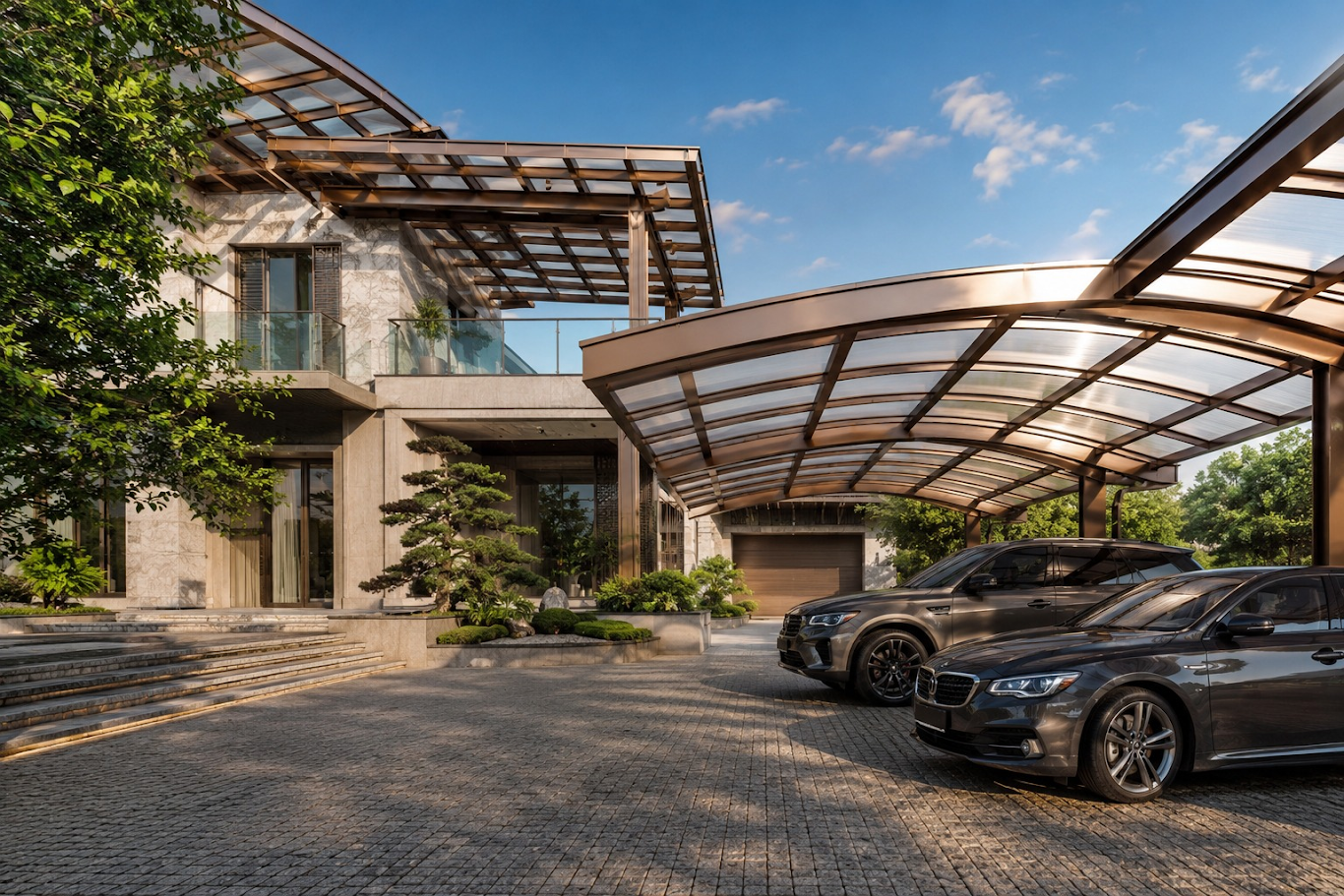
- Roofing
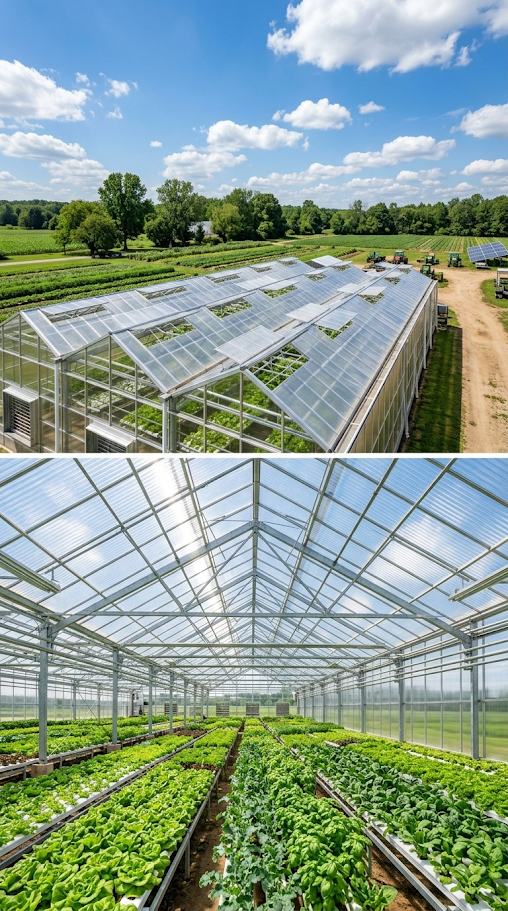
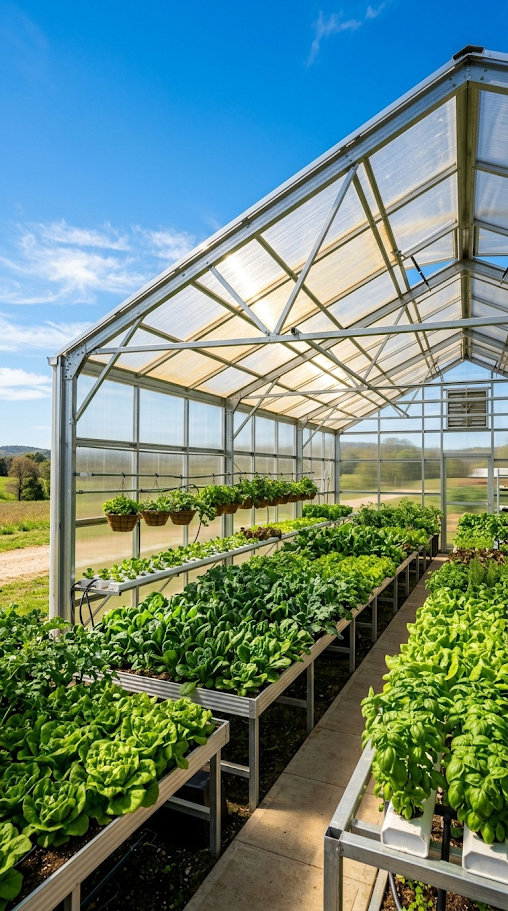
- Greenhouses
- Covered walkways
- Sports hall canopies
- Internal partitions
- Facade Cladding
Anywhere you need daylight through but can’t use glass because it’s too heavy, too fragile, or too expensive for the span.
Why natural light is worth designing around
Building design has been moving toward biophilic thinking for a while the idea that people work, sleep, and generally function better in spaces with some connection to the natural world. Daylight is the most direct way to get there. Studies tie it to better mood, better sleep, and higher productivity in offices and factories alike.
This is also starting to show up in building codes across several countries. Polycarbonate multiwall sheets provides architects and builders a practical way to meet those needs, particularly in large-span structures factory roofing, atria, transit canopies where glass would be structurally or financially out of reach.
What actually matters when specifying these panels?
The internal rib structure scatters light as it passes through. Rather than a harsh sunbeam landing on one spot, you get diffused, even daylight across the room. That’s far more useful than concentrated light in most working environments.
A good polycarbonate multiwall sheet manufacturer co-extrudes a UV-blocking layer onto the outer surface during production. That layer does two things: stops the panel yellowing over years of sun exposure, and shields the interior from UV damage. Cheaper, uncoated panels skip this, and the difference becomes obvious within a few years.
- On insulation : a standard twin-wall sheet comes in around 3.3 W/m²K. Single glazing sits at 5.8 W/m²K for comparison. Move to triple or four-wall configurations and performance climbs further enough to be practical in colder climates. These panels also weigh about a sixth of equivalent glass, which changes structural load calculations and cuts installation time meaningfully.
For industrial or agricultural buildings, impact tolerance matters too. These panels are capable to handle hail, debris, and wind loads that would shatter glass.
Picking up the right configuration
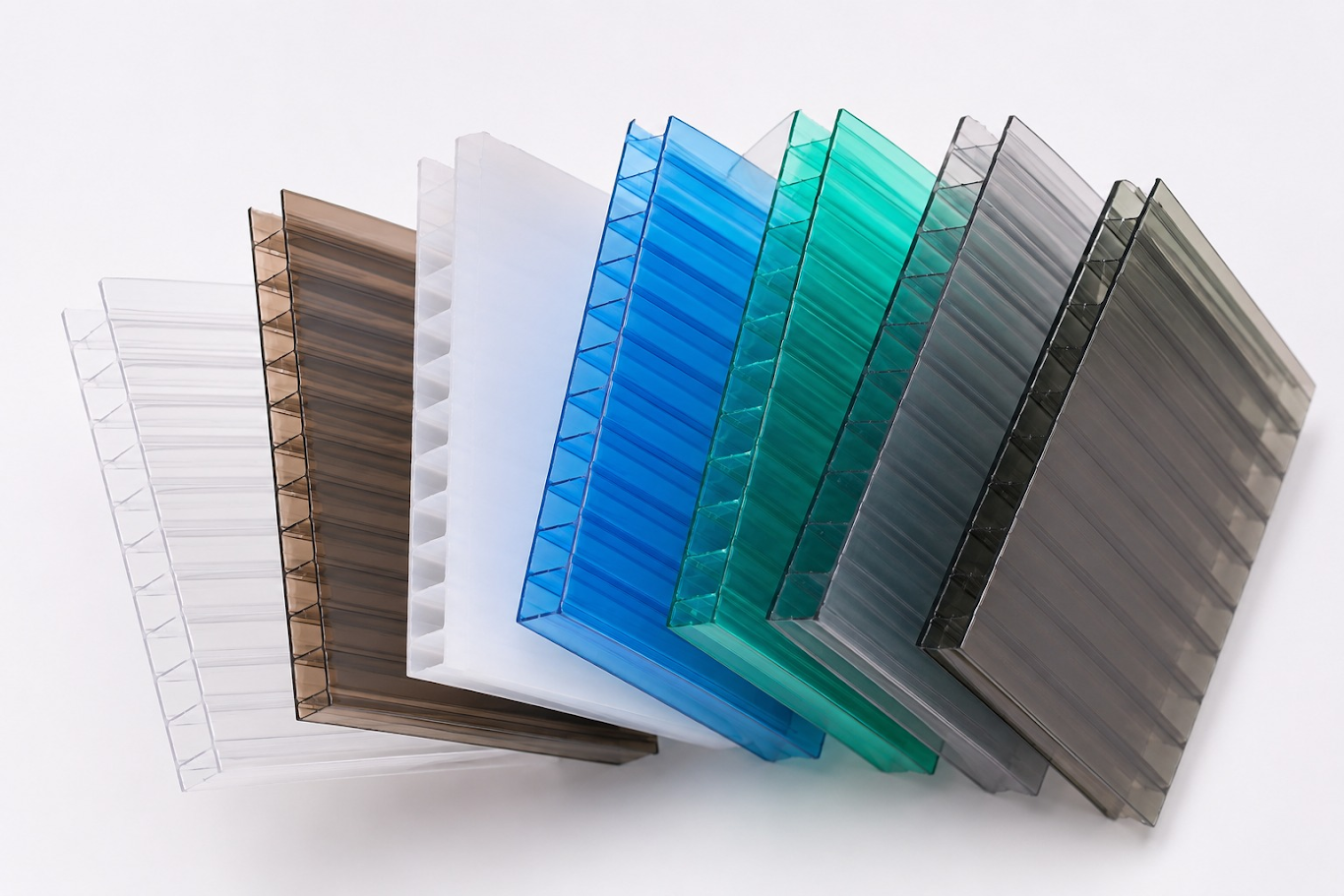
Thickness ranges from around 4mm to 25mm. Twin-wall, triple-wall, quad-wall, and X-structure configurations all do exist, and they’re not interchangeable. A 10mm twin-wall diffuses light differently from a 16mm triple-wall panel, and the insulation values diverge significantly.
Before ordering, pin down all the basics:
- What light transmission percentage do you need?
- What temperature range will the installation see year-round?
- Is UV protection non-negotiable for this application?
- Is it load-bearing or just cladding?
Getting these answers wrong and ordering the wrong spec is an expensive fix.
FAQ
With an appropriate UV-protected surface, approx. 10 to 15 years is a reasonable expectation without significant yellowing or weakening.
Yes, and they’re used. Aim for at least a 5° pitch so water runs off and debris doesn’t accumulate on the surface.
Polycarbonate Multiwall Sheets provide excellent impact tolerance, thermal insulation, UV protection, and light transmission. Their lightweight yet durable structure makes them suitable for roofing, skylights, greenhouses, industrial sheds, and for commercial buildings.
They’re self-extinguishing they stop burning when the ignition source is removed. They will deform under sustained heat, though. Check the panel’s specific fire rating against your local building code requirements before specifying.
Twin wall is two layers, one row of channels. Multiwall triple, quad, X-structure adds layers, which pushes insulation up but brings light transmission down. If thermal performance is the main driver, go multiwall. If you want maximum daylight, twin wall is usually the better call.
Conclusion
For projects where day lighting is a real priority, polycarbonate multiwall sheets cover ground that glass often can’t lighter, better insulated, more resistant to impact. The difference between a solid installation and a problem one usually comes down to material quality and getting the spec right from the start.
Avrex International supplies polycarbonate multiwall sheets for construction and industrial applications reach out with your project requirements and we can point you toward the right configuration.
